It’s a myth that still pervades the marketing industry: B2B brands are doomed to be boring, safe, and serious. Only B2C brands get to have fun.
And there is some logic behind it. Because, let’s be honest, there’s nothing playful or fun about the B2B buying process.
Most B2B products, especially in the SaaS marketing space, are long-term investments, not impulse purchases. Sales cycles are long and complex, with full-on buying committees and tons of decision-makers. You’re unlikely to decide on your next CRM based on a funny ad or a quirky tone of voice. At least, not consciously.
But recently, the tides have turned. Brands like Monday.com, Slack, and Workday are proving that fun B2B brands do exist. And they're putting out entertaining, funny, and emotional campaigns and creative strong enough to rival any B2C brand.
Why creativity matters for B2B brands
The numbers don’t lie: B2B marketers are prioritizing creativity in their marketing right now. According to Marketing Week’s 2025 Language of Effectiveness study, 55.7% of B2B marketers say that their focus on creativity has increased compared to just a year ago, in an upward trend that we’ve seen since 2024.
But what’s behind this shift?
The likely answer is that B2B brands are realizing that, while their sales cycles might be longer and their products might not feel as “exciting” as their B2C counterparts, their buyers aren’t so different after all.
Marketers have long assumed that B2B decision-makers are purely logical, rational beings that can only be swayed by hard facts, numbers, and ROI.
In fact, a recent study by LinkedIn and MAGNA showed that B2B decision makers were 40% more likely to consider purchasing the brand if their ad is seen as “creative.” Not so serious, after all!
Another factor to consider is that B2B brands tend to have a lot of competition, especially in the SaaS space. Rival products and solutions are popping up everywhere, often pushing similar content and marketing collateral. Whether it’s B2B, B2C, or D2C, the primary purpose of marketing is to grab attention (and keep it).
You can have the best solution on the market right now, but if your competitor is breaking through the noise and telling a more compelling, unique story, they have the upper hand.
But how do you incorporate fun and creativity into your B2B marketing strategy in the right way?
B2B marketers, it’s time to start taking notes. Here are some brands that are proving creativity can be just as effective in B2B as in B2C:
In no particular order, here are some creative B2B brands that will make your marketing team say “woah, why didn’t we think of that?”
Miro's bold design language
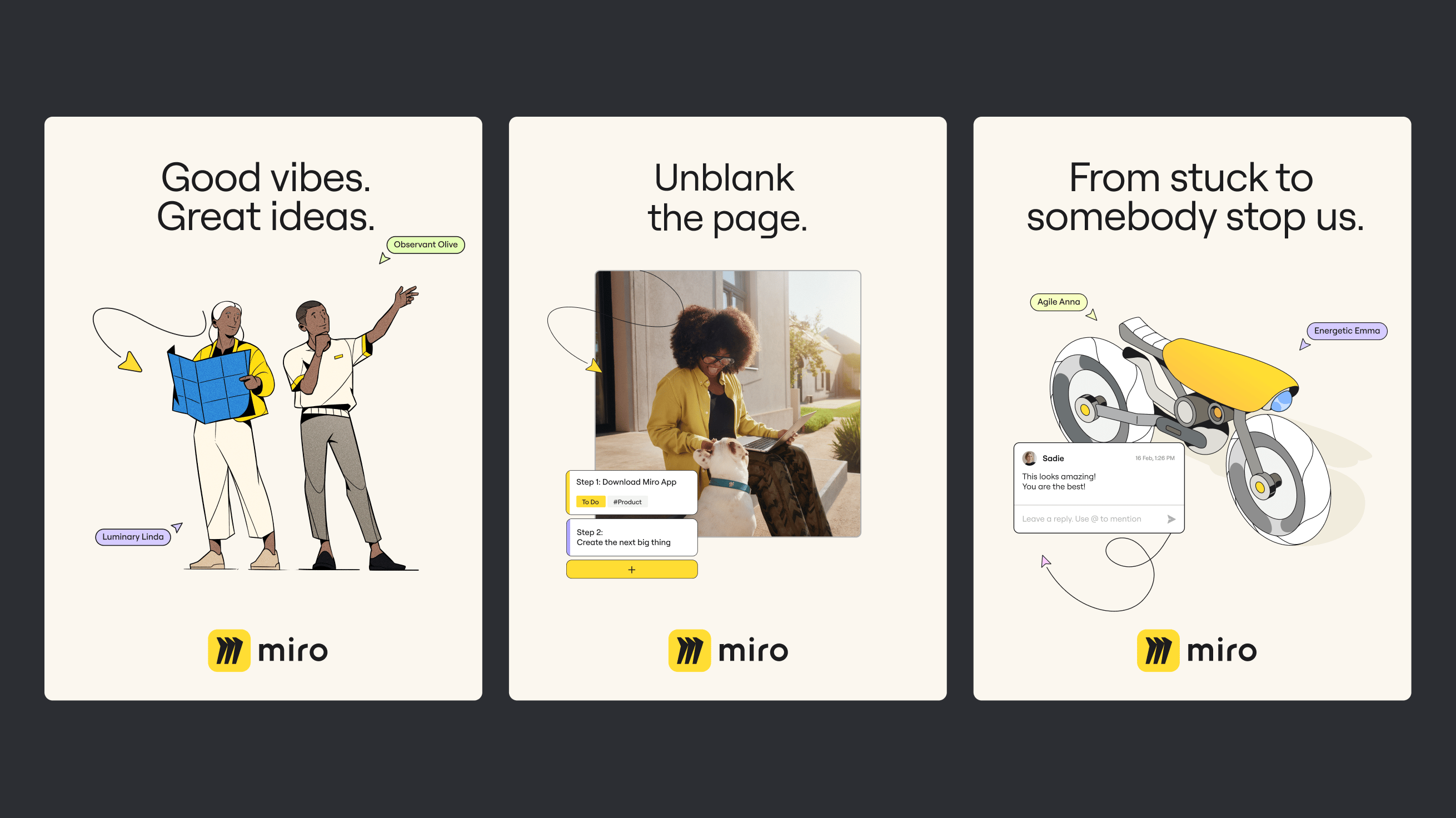
Miro's software makes collaboration easier. And the company’s branding makes it feel creative, alive, and aspirational.
As part of a recent rebrand, Miro kept their signature yellow but swapped the shapes for illustrations that feel less abstract and more like comic-book heroes. The result is a brand that feels both imaginative and concrete — sparking creativity while grounding it in real, human stories. Their b2b branding reminds us of the best parts about working together — combining unique perspectives and finding strength in difference.
It’s playful, recognizable, and rooted in the company’s vision and mission.
Source: AKQA
Why it works: In a crowded SaaS market, Miro’s visuals make them instantly recognizable and memorable. They’re not just selling a product — they’re selling the feeling of working together to make something great.
What you can borrow: Go through your branded content and ask yourself: would someone know it’s us if our logo disappeared? Investing in a consistent, distinctive design system can make your brand feel trustworthy and memorable.
Check out: 6 Design Trends to Watch Out for in 2025
Freckle's to-the-point messaging
How many times have you landed on a B2B company’s website, read their headline 12 times, and left still wondering what it is they actually do? Not the case with Freckle. Their positioning and value proposition is super clear: Freckle works together with your CRM to get better data. Boom.
By skipping the jargon and telling it straight, they eliminate friction so viewers can quickly understand whether Freckle is a match for their organization’s needs and challenges. 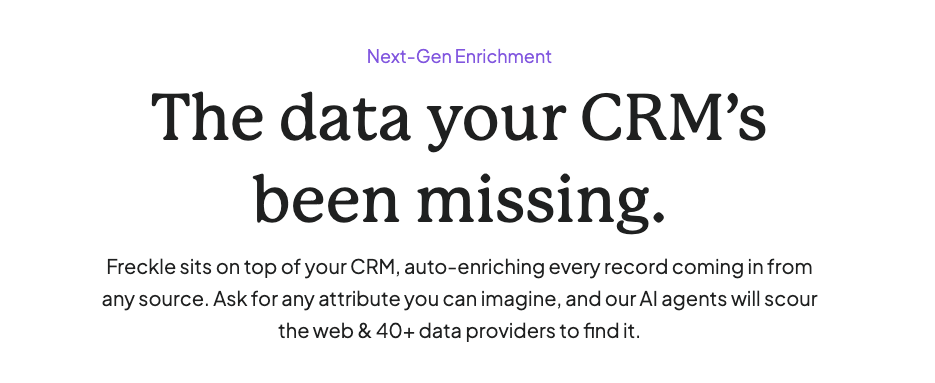
Source: Freckle
Why it works: People are busy — and B2B decision-makers are no exception. With clear messaging, Freckle keeps buyers moving forward without confusion or fatigue.
What you can borrow: Take a look at your homepage (go on, I dare you) and ask yourself: would someone who’d never heard of us before immediately understand what it is we’re selling? If not, simplify. No extra points for being confusing.
Semrush's spot-on socials
Whether it’s short videos featuring their own human mascot, Chris from Semrush, jokes about asking ChatGPT what a KPI is (again), or poking fun at SEO quirks, you can feel the humans behind Semrush’s social channels. They know who they’re speaking to and they’re in on the joke — even when the joke’s on them.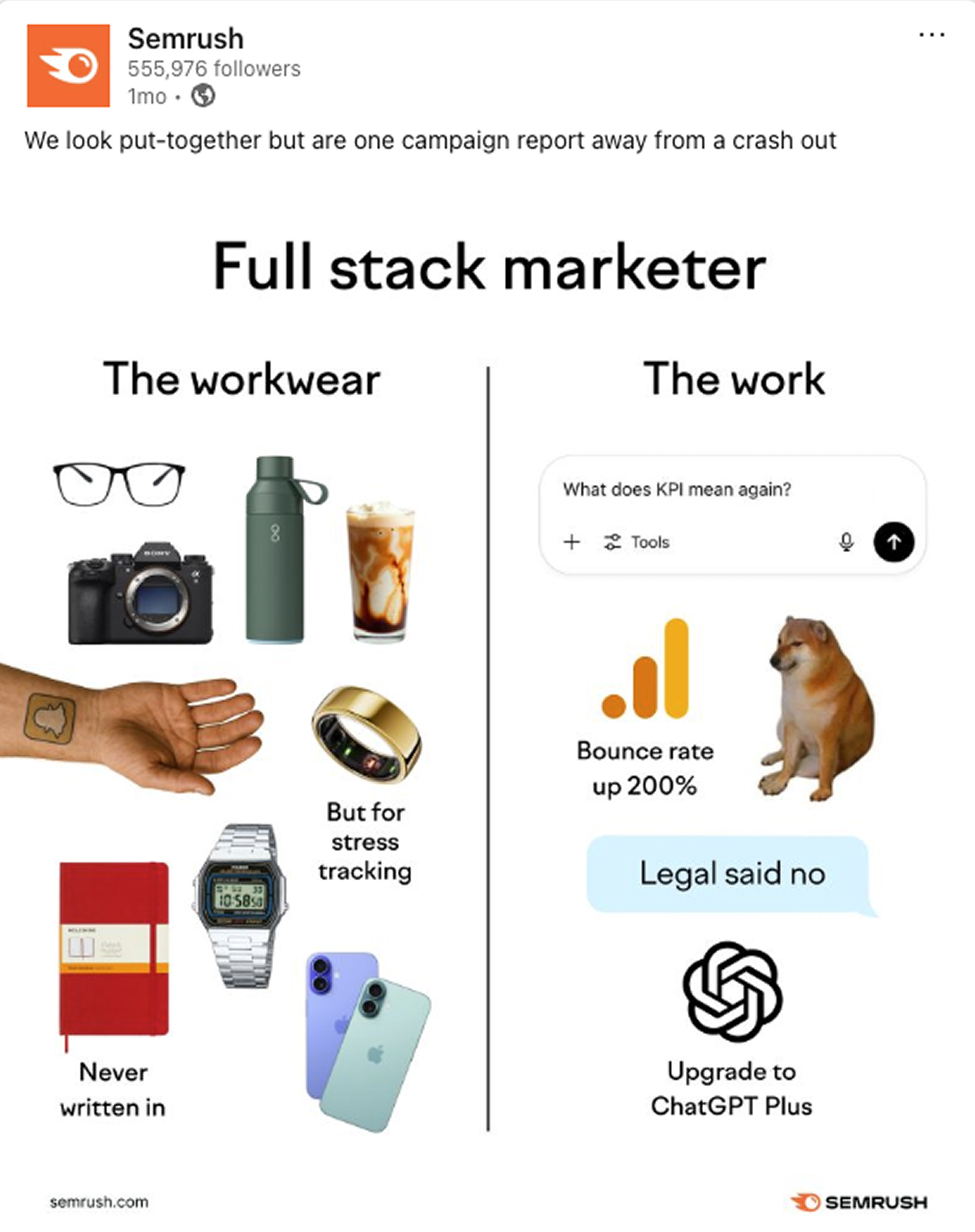
Source: LinkedIn
Why it works: Relatable humor creates affinity. It shows your audience that you really “get” them and their pains. Even if those pains aren’t directly solved by your product, it’ll help earn their trust. And in B2B, well-executed, relatable humor is still rare enough that it stands out.
What you can borrow: Research your target audience. Go deep on the platforms where your communities live, and try to understand what keeps them up at night, what your target industry’s “inside jokes” are. Look for ways to share them with a wink.
PostHog's wacky personality
One Reddit user described Posthog’s website as looking “like Scott Pilgrim started a business.” And, honestly, we couldn’t have put it better. Their copy sounds like it’s been ripped directly from a product team’s private Slack channel: nostalgic, meme-filled, and a bit weird. It’s super specific and incredibly memorable. 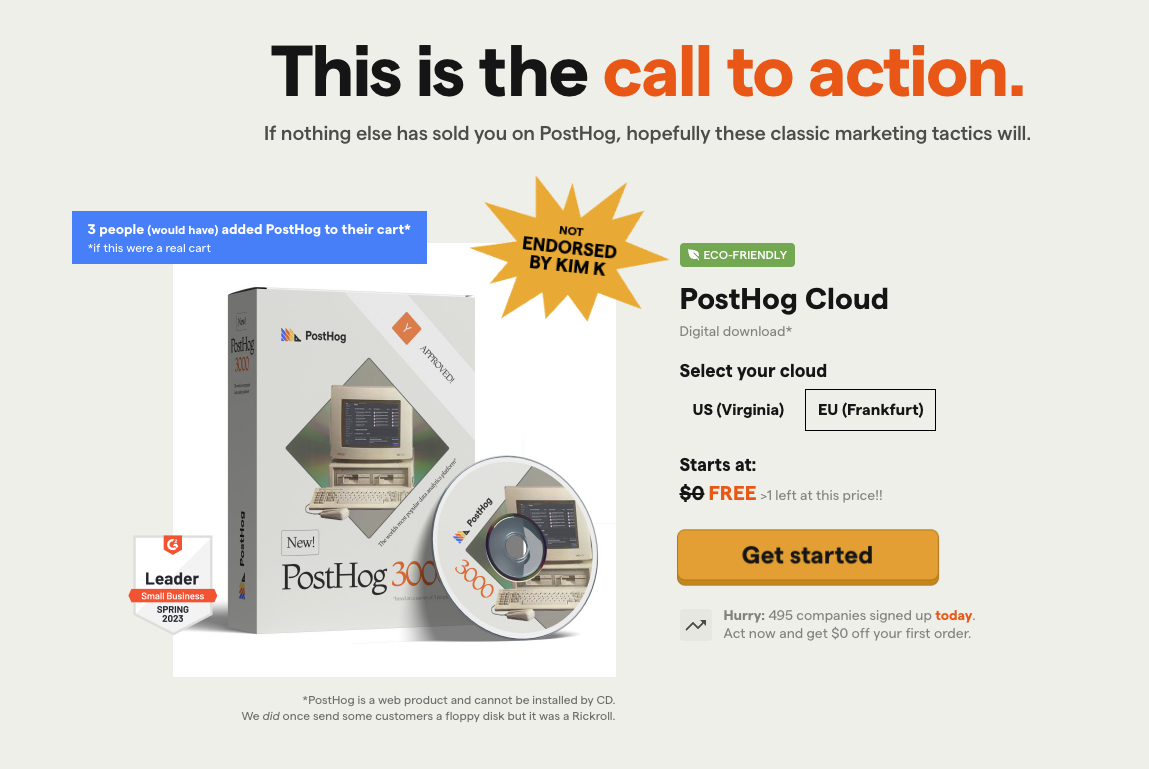
Source: PostHog
Why it works: Their personality screams product team (which just happens to be their target audience). It’s authentic and recognizable for the right reasons.
What you can borrow: If your brand were a person or character, who would it be? Flesh them out. Then make sure every touchpoint — from 404 pages to pitch decks — stays consistent and in character.
Clay's unapologetically un-B2B identity
Clay’s head of marketing summed it up perfectly: “We didn’t want to look like a B2B brand.” And they don’t. Their identity is colorful, playful, and tactile — the opposite of what you’d expect from a data product. It’s a deliberate break from the monochrome minimalism dominating tech right now. 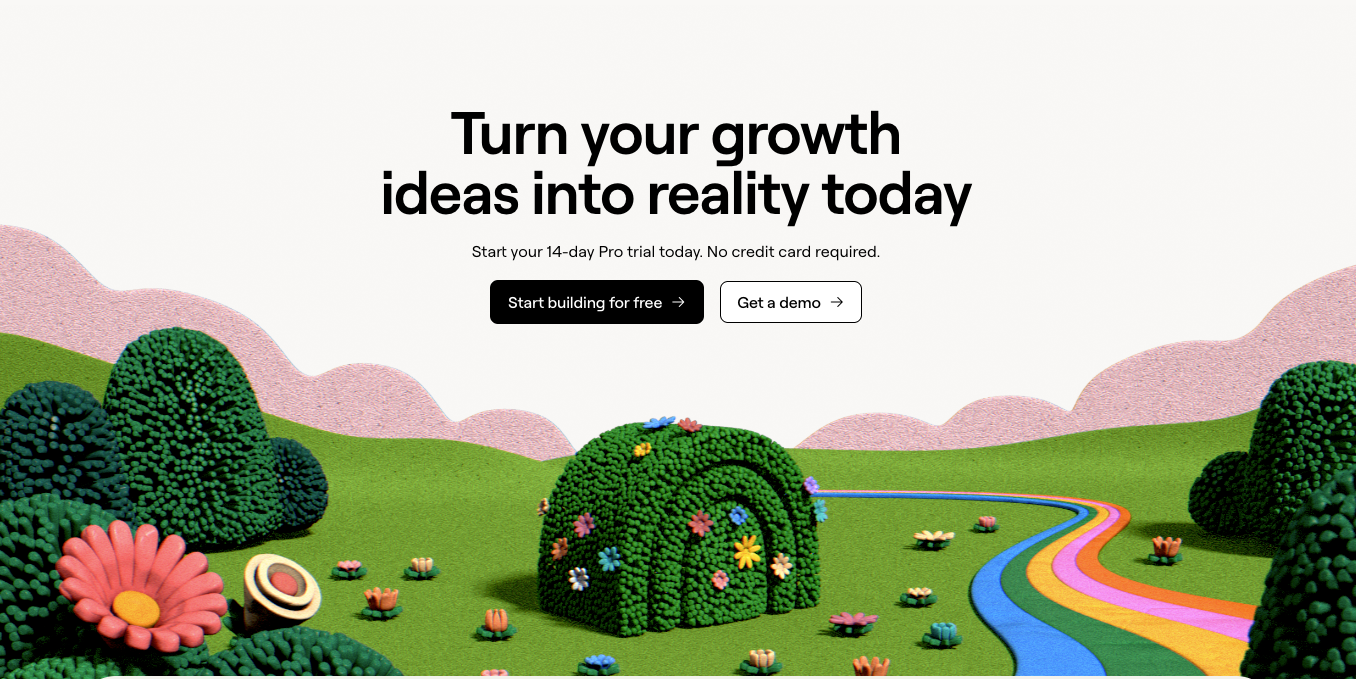
Source: Clay
Why it works: In an industry where everyone looks the same, standing out visually makes people stop scrolling. It also signals confidence — they know their product can speak for itself.
What you can borrow: Identify the visual clichés in your space — then run the other way. A bold, unexpected aesthetic can attract the exact people you want while repelling the ones you don’t.
Bonus: Vitality's bold branding and canine mascot
Full disclosure: Vitality is a Foleon customer producing awesome interactive content like magazines with our content creation platform. But we just had to include this example.
There aren’t many insurance companies that’d dare to make bright pink their primary brand color (or make a sausage dog their mascot, for that matter). But Vitality aren’t interested in fitting in.
As their editorial and content manager, Becky puts it, “Traditionally, the insurance industry can seem quite rigid or maybe a little bit old-school, but there's no reason for it to be. We're in a very new generation now where things are changing all the time, and I think insurance should change with it, too.”
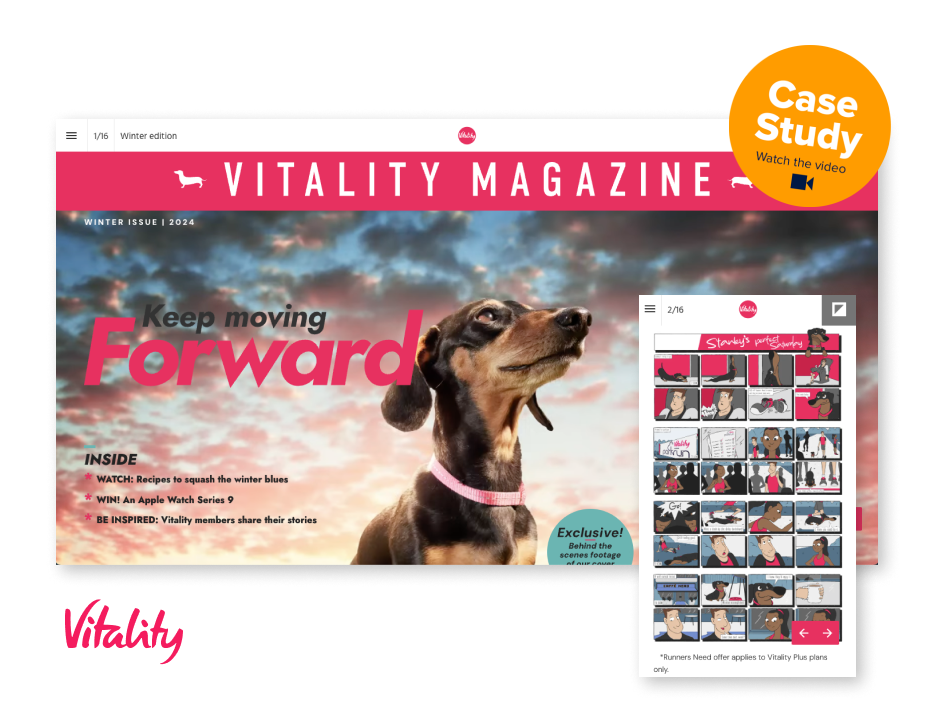 That willingness to challenge category norms is exactly what makes Vitality memorable. By leaning into bold colors, a friendly mascot, and interactive content that’s actually enjoyable to read, they’ve turned something as traditionally dry as insurance into a brand people actively engage with — and remember.
Curious about how Vitality used Foleon to stand out in an old-school industry? Check out their case study.
Final thoughts on B2B brands
What makes all these B2B brands successful? They’re intentional, strategic, and understand their audience.
Miro commits to a distinctive visual language, Freckle removes every ounce of friction, Semrush builds community through humor, PostHog turns personality into a competitive edge, and Clay flips B2B design norms on their head. Each knows exactly what they want their brand to feel like and makes every decision through that lens.
If you’re aiming to incorporate fun, humor, or creativity into your B2B marketing, start with two things. A crystal-clear picture of your target audience and a defined emotional response you want to evoke. Once you’ve nailed those, every word, design choice, and campaign becomes an opportunity to make that feeling unmistakably yours. Now, go forth and be un-boring!
Meet Foleon
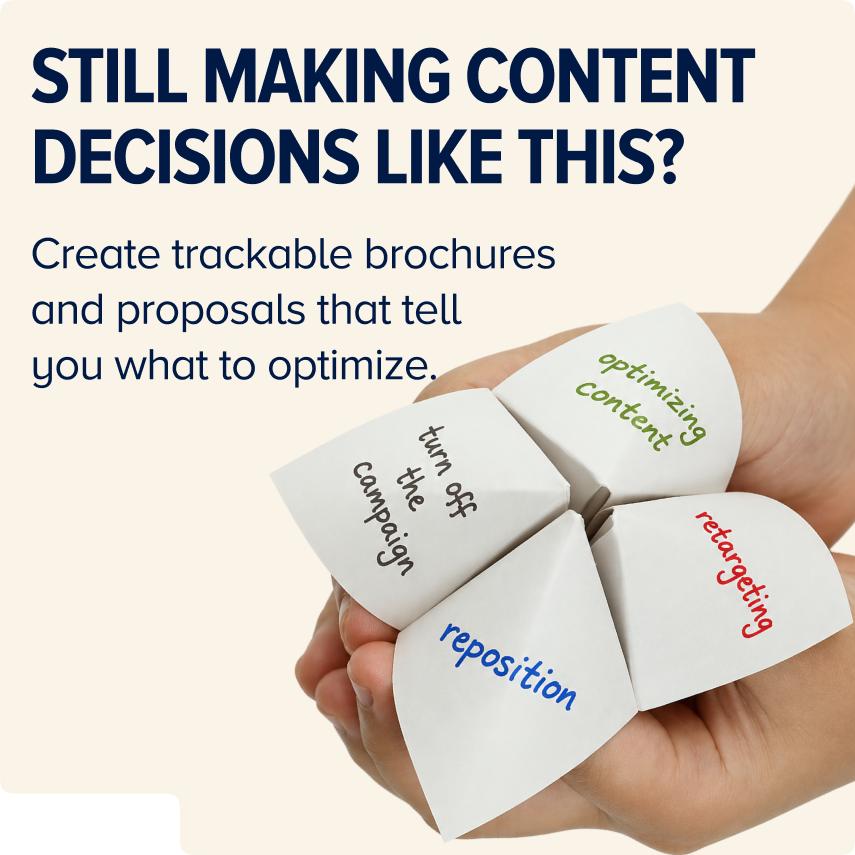
Unlike PDFs, Foleon Docs unlock insights about your audience, individual contacts, and content performance.

Clem is a Content Marketer here at Foleon. With a background in B2B SaaS and copywriting, she’s all about providing audiences with actionable, relevant content — minus the buzzwords.
Want to write for the Foleon blog? Here's how to submit a guest post.

.png?width=854&name=Blog_%20Innovative%20branded%20content%20(3).png)